




Introduction
When comparing job offers, salary isn’t the whole story - benefits can make up 30% of your total compensation. For example, a lower-paying job with strong health insurance, retirement matching, and wellness perks might be more valuable than a higher-paying one with limited benefits. Here’s how benefits vary by industry and what to look for:
- Healthcare Coverage: Tech and finance lead with 90% access to employer-sponsored health insurance, while hospitality lags at 35%. Costs also differ - education employers cover $601/month on average, compared to $480 in construction.
- Retirement Plans: Finance offers the highest access (91%), while hospitality is at 35%. Many employers match 401(k) contributions, averaging 4.5%.
- Flexibility: Tech dominates with customizable benefits like Lifestyle Spending Accounts (LSAs), while retail and hospitality often lack flexibility.
- Wellness & Mental Health: Industries like tech and healthcare focus on mental health days, therapy subsidies, and wellness stipends, whereas manufacturing prioritizes physical safety.
- Costs: Premiums and out-of-pocket expenses vary widely; understanding these is key to calculating a job’s true value.
Key takeaway: Benefits significantly impact your financial well-being and quality of life. Evaluate health plans, retirement contributions, flexibility, and wellness options to make informed career decisions. Tools like Bridged can help assess total compensation and guide transitions to industries with better benefits.

Employee Benefits Comparison by Industry: Healthcare, Retirement, and Wellness Programs
Benefits 101: decoding the world of work perks | Campus to Career
sbb-itb-8dc0621
Step 1: Review Healthcare Coverage by Industry
Healthcare benefits vary significantly across industries, and the type of work you do often determines the medical, dental, vision, and pharmacy options available to you. For 2024, the average total premium for family coverage reached $25,572, with employees paying 16% for single coverage and 25% for family plans. However, employer contributions and the specifics of these plans differ greatly depending on the sector.
Compare Coverage Levels
Some industries, like tech and finance, provide broader access to healthcare benefits compared to others. These sectors not only ensure access but also offer more extensive coverage. For instance, tech companies often include hospital stays, physician visits, prescription drugs, and even extras like fertility treatments and mental health resources. While access rates in tech and finance hover around 90%, industries such as accommodation and food services lag far behind at just 35%. Manufacturing workers, although covered by more traditional plans, often face higher out-of-pocket expenses.
Employer contributions also highlight disparities. For example, education and health services employers contribute an average of $601.51 per month toward premiums, whereas construction employers contribute only $480.92. This creates a ripple effect on workers, as Ashok Subramanian, Co-founder and CEO of Centivo, explains:
We're in this vicious cycle where costs are rising, [employers] are shifting them to the worker, which prevents them from getting care or accessing the system, which leads to longer-term, worse healthcare needs.
These differences in costs and contributions significantly impact the overall value of healthcare benefits. Beyond the basics, some companies stand out by offering specialized healthcare options.
Check for Specialized Healthcare Options
Specialized benefits can make a job offer stand out, addressing modern needs like mental health support and parental care. For example, Google provides 18 weeks of paid parental leave and covers fertility treatments. Microsoft introduced unlimited "Discretionary Time Off" in 2025 and offers top-tier fertility benefits. Netflix allows unlimited parental leave during a child's first year. Meanwhile, companies like Starbucks have extended full healthcare coverage to part-time employees to remain competitive.
Mental health support is increasingly prioritized, especially in high-pressure industries. 87% of tech companies now include mental health days or stipends, and 54% of private-sector workers have access to Employee Assistance Programs (EAPs). Employers in the healthcare sector often focus on wellness initiatives like gym memberships and meditation classes to combat burnout. Women’s health benefits are also expanding: 55% of employers now cover maternity and postpartum care, 40% offer fertility benefits, and 21% include menopause support. Highlighting the impact of such programs, Maven Clinic reported in March 2025 that 30% of members using their preconception care model achieved pregnancy without needing IVF, reducing both stress and costs.
Step 2: Check Benefit Flexibility and Customization
Different industries approach employee benefits in unique ways - some stick to fixed plans, while others offer options that employees can tailor to their needs. Flexibility can significantly influence how employees perceive the value of their benefits. In fact, 70% of workers prefer customizable benefits to suit their personal situations. However, only 14% of companies currently provide such options. This disconnect is particularly noticeable outside the tech and finance sectors. Let’s explore how various industries integrate flexibility and customization into their benefits programs.
Flexible Plans by Industry
Tech companies are leading the way in offering customizable benefits. Around 67% of tech firms now use flexible compensation models, often supported by AI-powered platforms and Lifestyle Spending Accounts (LSAs). These LSAs let employees allocate funds to areas like remote work stipends, mental health resources, or professional development. Notably, LSAs have increased professional development participation by 40% compared to traditional tuition reimbursement programs. Jonathan Shooshani, co-founder of Joon, highlights the shift:
"These personalized benefits allow a company to speak to the individual needs of each employee rather than taking a one-size-fits-all approach."
The finance and insurance industries also emphasize flexibility. For instance, 91% of companies in these sectors provide access to retirement plans, while many are adding mental health days to complement their health offerings. Healthcare organizations are catching up, with 55% now offering personalized benefits packages aimed at mitigating burnout. These often include flexible scheduling and wellness allowances. Manufacturing is also adapting, introducing variable hourly wages and flexible schedules aligned with production demands. On the other hand, retail and hospitality sectors lag behind, with only 45% of retail companies providing health insurance and just 35% in accommodation and food services.
Here’s a quick look at how industries stack up in terms of benefits and flexibility:
| Industry | Health Insurance Access | Retirement Plan Access | Key Flexibility Feature |
|---|---|---|---|
| Information Technology | 90% | 83% | AI-enabled wellness, LSAs |
| Finance & Insurance | 89% | 91% | Mental health days, high 401(k) match |
| Healthcare | 79% | - | Flexible scheduling, EAPs |
| Manufacturing | 85% | 65% | Flexible scheduling, overtime variations |
| Retail Trade | 45% | 43% | Store discounts, limited PTO |
Customized Benefits for Individual Needs
The most effective flexible plans go beyond offering a few preset health plan options. Many employers now provide "benefits wallets", giving employees an annual allowance ranging from $800–$1,200 in smaller companies to $1,500–$2,400 in larger ones. These wallets allow employees to shift unused funds - for instance, reallocating money from a gym membership to cover therapy sessions, virtual care, or even pet insurance through LSAs. Larger companies typically offer user-friendly digital platforms to simplify these choices.
Virtual care is another growing trend. Employees can now access platforms covering over 50 wellness categories, including mindfulness training, fertility support, and more. Financial wellness programs are also becoming more flexible. Common offerings include debt relief payments ($75–$150 per month), student loan assistance ($50–$200 per month), and emergency savings matches (up to $500–$1,000 annually). Companies that provide these tailored benefits report a 21% increase in employee satisfaction and see a 4-to-1 return on mental health spending, thanks to reduced absenteeism and lower turnover rates.
Step 3: Review Wellness Programs and Mental Health Benefits
Flexible benefits cater to individual preferences, but wellness and mental health programs are all about supporting overall well-being. Recent statistics reveal that 83% of employees would consider leaving a company that doesn't prioritize their well-being. Yet, despite 89% of organizations offering mental health coverage, 59% of U.S. workers feel their employer provides insufficient mental health resources. Even more concerning, 67% of employees report being unaware or only vaguely aware of the mental health support available to them.
Wellness Benefits by Industry
Different industries tackle wellness in ways that align with their specific workplace challenges. For example:
- Tech companies often focus on flexibility and creativity. About 87% of firms in this sector offer mental health days or stipends. Companies like Microsoft provide an $800 annual "StayFit" stipend for gym memberships or exercise equipment, while Salesforce reimburses employees for wellness apps, ergonomic office equipment, and fitness classes.
- Finance organizations prioritize stress and risk management. Goldman Sachs, for instance, has introduced on-site health centers and subsidized therapy sessions tailored to high-pressure environments. Resilience training and concierge services are also becoming common tools to address burnout.
- Healthcare providers emphasize combating burnout through peer support groups and flexible scheduling. The Mayo Clinic's "Program on Physician Well-Being" uses research-backed strategies to reduce burnout among healthcare professionals.
- Construction and manufacturing sectors focus on physical safety and mental health. Turner Construction invested $5 million in mental health resources and training for its 13,000 employees across more than 1,000 projects in 2024, addressing the industry's high suicide rates. Manufacturing companies, on the other hand, often center their programs on injury prevention, rehabilitation, and managing fatigue for shift workers.
A standout example of inclusivity is NATS in the UK, which introduced a menopause support program that has received recognition for addressing life-stage challenges.
| Industry | Primary Wellness Focus | Common Specific Perks |
|---|---|---|
| Technology | Flexibility & Creativity | Nap pods, remote work, mindfulness apps, stipends |
| Finance | Stress & Risk Management | Resilience training, subsidized therapy, concierge services |
| Healthcare | Burnout & Peer Support | Peer groups, health centers, flexible scheduling |
| Manufacturing | Safety & Ergonomics | Injury prevention, rehab programs, fatigue management |
| Construction | Mental Health & Physicality | Suicide prevention training, ergonomic gear |
Mental Health Support Programs
The scope and quality of mental health programs can vary. Basic offerings might include therapy sessions and coverage for psychiatric medications. More advanced options could feature sabbaticals, on-site therapists, well-being rooms, or even AI tools designed to detect burnout. However, there’s often a disconnect between what organizations claim and what they deliver - 46% of workers feel their employer's actions don’t align with their stated commitment to mental health.
A strong mental health program goes beyond surface-level offerings. It includes manager training to identify and address mental health challenges and ensures workloads are manageable. As Bhavik Shah, a Culture Change Strategist, puts it:
You can offer the most glamorous resources in the world, but if people don't feel psychologically safe, it won't work.
Peer-led groups and mental health ambassadors can also help reduce stigma. For example, Barclays in the UK launched its "This Is Me" campaign, normalizing mental health conversations and training managers to support employees dealing with burnout.
Investing in mental health isn’t just good for employees - it’s smart business. For every $1 invested in mental health initiatives, companies can see a return of up to $4 through reduced absenteeism and lower turnover. Burnout, in particular, is a major red flag: employees experiencing burnout are nearly three times more likely to actively search for a new job. When considering job offers, it’s worth asking for anonymized data on how mental health benefits are utilized. This can provide insight into whether the company culture genuinely supports wellness.
Workplace flexibility is another key factor in mental health. A whopping 94% of employees believe that greater flexibility helps reduce stress and improve mental health. In the tech industry, 80% of IT employees now work in hybrid or fully remote roles. Remote work not only saves an average of 72 minutes in commute time but also reduces daily expenses by $51–$71. Flexibility in work hours, cited by 41% of workers in the American Psychological Association's 2022 Work and Well-Being Survey, is often seen as a vital form of mental health support.
Step 4: Compare Costs and Benefit Details
Understanding the costs and specifics of benefits is a key step before saying yes to a job offer. While healthcare and wellness perks are important, digging into the financial details of benefits can reveal the true value of a compensation package. After all, these benefits often make up a significant portion of what you’re really getting paid. Knowing exactly what you’ll owe and what extras you’ll receive helps you make a more informed decision. Using career planning resources can help you navigate these complex choices.
Healthcare Costs by Industry
Healthcare premiums can vary widely depending on the industry you work in. For example, employees in Leisure and Hospitality face the highest monthly premiums, averaging $173.79, while those in Education and Health Services pay just $147.11 per month. That difference adds up to over $320 annually, which can have a noticeable impact on your budget.
Looking at the bigger picture, the numbers are even more eye-opening. In 2023, the average annual premium for family coverage hit $23,968, with employees typically covering about $6,575 of that amount. For single coverage, the yearly average was $8,435. Employers generally pick up 75% of the premium costs, leaving employees responsible for the remaining 25%. However, companies are gradually shifting more costs to employees, with an expected 5.8% increase in employee contributions by 2025.
Here’s a breakdown of average healthcare premiums by industry:
| Industry | Employer Monthly Premium | Employee Monthly Premium |
|---|---|---|
| Education and Health Services | $601.51 | $147.11 |
| Financial Activities | $545.22 | $148.96 |
| Manufacturing | $520.43 | $154.81 |
| Professional and Business Services | $525.45 | $155.23 |
| Trade, Transportation, and Utilities | $522.79 | $164.27 |
| Construction | $480.92 | $168.22 |
| Information | $582.12 | $173.58 |
| Leisure and Hospitality | $503.77 | $173.79 |
High-deductible health plans (HDHPs) are becoming more popular as employers aim to reduce their premium costs. While these plans might save you money upfront, they shift more of the financial burden to you when you need care. This can significantly increase your out-of-pocket costs over time.
Before you agree to a job, ask for detailed information about healthcare costs. Specifically, request documentation outlining deductibles, maximum out-of-pocket limits, copays, and coinsurance rates. Also, check if your current healthcare providers are in-network to avoid unexpected bills. If the employer offers tax-advantaged accounts like Health Savings Accounts (HSAs) or Health Reimbursement Accounts (HRAs), these can help offset high deductibles and reduce your financial strain.
Clear Benefit Information and Extra Perks
Once you’ve assessed the costs, turn your attention to the clarity of the benefits package and any additional perks. A company’s transparency about its benefits can say a lot about its workplace culture. If the information provided feels vague, don’t hesitate to ask for the full employee handbook or a detailed benefits brochure before making your decision. Look for specifics like waiting periods for benefits, limits on contributions, and whether unused PTO can roll over.
Retirement plans are another critical area to examine. While 75% of U.S. civilian workers have access to retirement plans, only 57% participate. On average, employers match about 4.5% for 401(k) contributions. Access to these plans can vary significantly by industry - for instance, 91% of workers in Finance and Insurance have access to defined contribution plans, compared to just 35% in Leisure and Hospitality.
Don’t overlook perks that might enhance your overall compensation. For example, 48% of employers offer tuition reimbursement, though only 8% provide assistance with student loan repayment. Other benefits include financial planning services (offered by 23% of employers), pet insurance (19%), and home office stipends, which average $857 per employee among 59% of employers.
To make an apples-to-apples comparison between job offers, try converting non-cash perks into their dollar value. For instance, calculate the value of PTO by multiplying your daily wage by the number of days offered. On average, benefits add 30–40% to your base salary, which can mean an additional $20,000–$30,000 annually for many employees. For example, someone earning $60,000 might actually cost their employer between $78,000 and $84,000 when benefits and taxes are included.
A weighted scoring system can help you evaluate multiple offers. Assign monetary values to each benefit - healthcare, retirement contributions, PTO, wellness stipends - and compare the total compensation packages side by side. Since benefits typically make up about 31% of an employer’s total compensation budget, understanding what you’re getting is just as critical as negotiating your salary.
Step 5: Use Career Tools to Evaluate Benefits
Sometimes, finding better benefits means considering a career change. This process starts with evaluating your current skill set and identifying the gaps you need to fill. Tools like Bridged simplify this by offering tailored insights based on your career profile. They help you understand total compensation across industries and identify the quickest path to roles with more attractive benefit packages.
How Bridged Supports Career Decisions
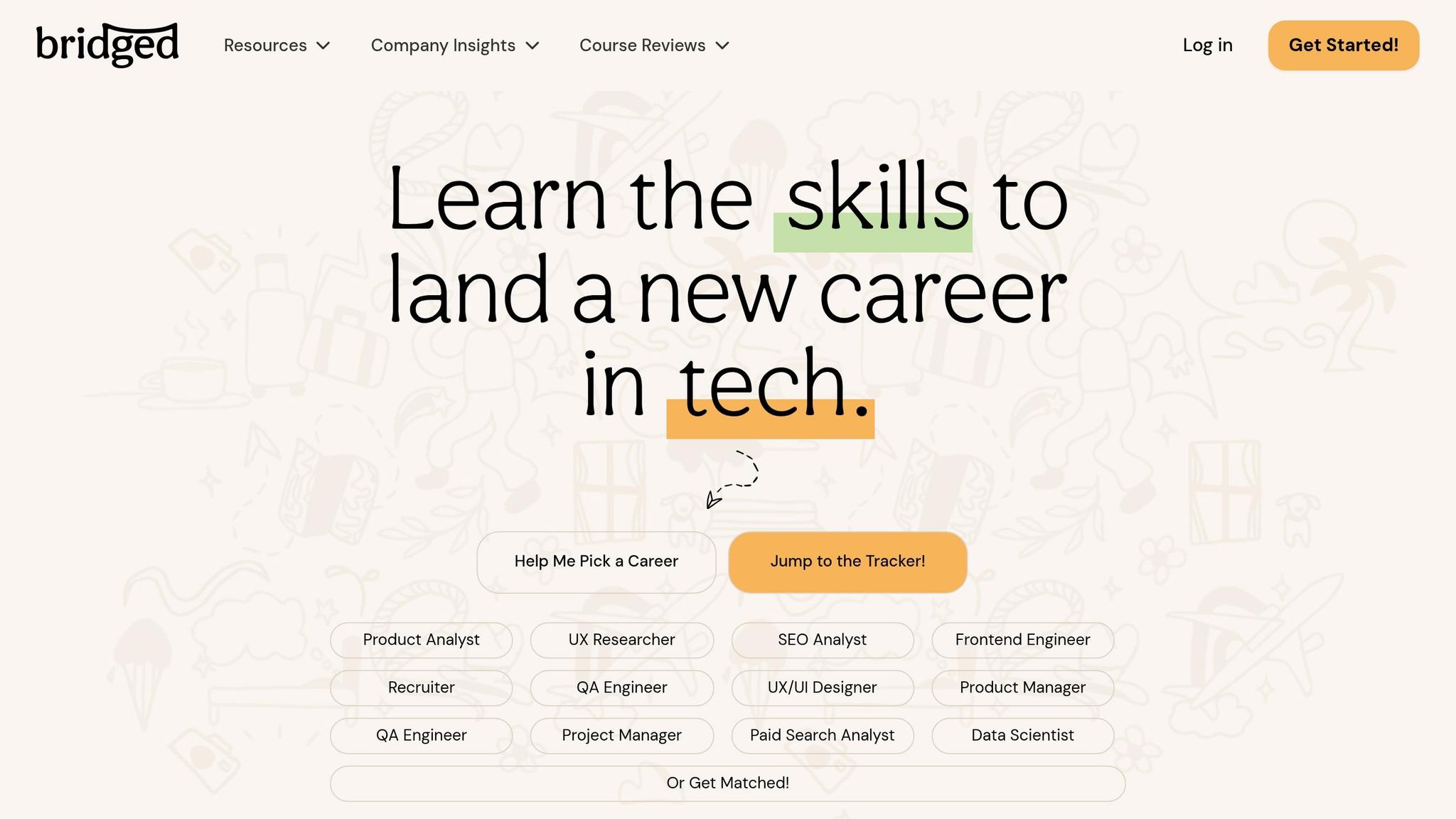
Bridged is a career platform designed to connect your skills to higher-paying opportunities while recommending the certifications needed to unlock improved benefits. It matches your abilities with companies that have been vetted for offering strong benefits and fostering positive workplace cultures.
One standout feature is its Total Compensation Value calculator. This tool translates non-cash perks - like healthcare premiums, wellness stipends, and 401(k) matches - into a single dollar figure. This allows you to compare job offers more effectively. Considering that benefits make up about 31% of an employer's total compensation budget, understanding the full value of what you’re being offered is crucial. For instance, a 6% 401(k) match on an $80,000 salary adds $4,800 annually to your compensation, a figure you might overlook if you’re only focusing on base pay.
Transitioning to Industries with Better Benefits
If you’re aiming to move into a field with stronger benefits, Bridged’s skill gap analyzer can show you exactly what’s holding you back. For example, transitioning from Leisure and Hospitality - where only 35% of workers have access to retirement plans - to Finance and Insurance, where 91% do, becomes much clearer with this tool. It identifies the certifications or skills needed to break into industries like Health Care or Finance, which are leading in offering Employee Assistance Programs (EAPs). These programs have grown in availability from 12% to 19% of employers between 2020 and 2024.
Bridged also saves you from costly mistakes by suggesting affordable ways to close skill gaps. Instead of spending $15,000 on a bootcamp, you can opt for certification stacking through platforms like Coursera Plus, which costs about $59 per month. Since 78% of employees rank benefits as a top factor in accepting a job - often placing them above base salary - Bridged helps you filter opportunities based on your benefit priorities. Whether you’re looking for remote-first roles or generous 401(k) matches, this data-driven approach ensures you’re making informed career moves toward industries offering better benefits.
Conclusion
When evaluating job benefits, it helps to break them into five key categories: Health, Financial, Growth, Work-Life Balance, and Other. This approach simplifies the process of comparing what different industries and employers offer, making side-by-side evaluations much more straightforward.
Keep in mind that benefits can make up as much as 30% of your total compensation. Ignoring these details could mean leaving thousands of dollars on the table each year. To get a clear picture, calculate the total value of an offer by factoring in elements like employer 401(k) matches (which average around 4.5%), contributions to healthcare premiums, and other perks. For example, if you're currently paying 81% of your healthcare costs out of pocket, an employer with better healthcare contributions could significantly improve your financial situation.
Identify your top two non-negotiables - whether that’s remote work flexibility, specific health benefits, or mental health resources. This is especially important since 78% of employees prioritize benefits over base pay.
Once you've crunched the numbers, leverage career tools to align these benefits with your long-term goals. Platforms like Bridged can help translate non-cash perks into dollar values and identify certifications that could help you transition into industries offering better benefits. Whether you're staying in your current field or exploring new opportunities, understanding the standard offerings within your industry can equip you with the knowledge needed to negotiate confidently.
This strategy complements earlier industry comparisons. For instance, early-career professionals might focus on tuition reimbursement and professional development opportunities, while individuals with families may prioritize childcare assistance and paid parental leave. By combining thorough research with your personal goals and using career tools effectively, you can make decisions that maximize both your immediate earnings and your long-term financial security.
FAQs
How do I calculate the dollar value of a benefits package?
To figure out the dollar value of a benefits package, start by totaling the annual costs of all included benefits. This includes health insurance, retirement contributions, paid time off, and additional perks. Make sure to factor in both direct costs (like insurance premiums) and indirect costs (such as administrative expenses). Once you have the total, divide it by the number of eligible employees. This gives you an estimate of the average value per employee.
Which healthcare plan details matter most when comparing offers?
When choosing a healthcare plan, it's essential to evaluate coverage options, costs, and extra benefits. Start by reviewing coverage for critical services, such as routine checkups, specialist visits, and hospital care. Pay close attention to the financial aspects like premiums, deductibles, co-pays, and out-of-pocket maximums, as these will directly affect your budget.
Another crucial step is checking the provider network. Make sure your preferred doctors, specialists, and hospitals are included. Additionally, verify if any specific treatments or medications you rely on are covered under the plan. By carefully examining these details, you can select a plan that matches both your healthcare needs and financial situation.
What questions should I ask HR to verify mental health and wellness benefits?
- What mental health services are provided? For example, does the company offer therapy, counseling, or stress management tools?
- Are the services confidential and easy to access? Understanding privacy and accessibility is crucial.
- Does the company have Employee Assistance Programs (EAPs)? If so, what specific support do they include?
- Are flexible work policies or mental health-related time-off options available? These can be vital for maintaining work-life balance.
Asking these questions can help you understand how well the benefits align with your personal needs.
Related Blog Posts


